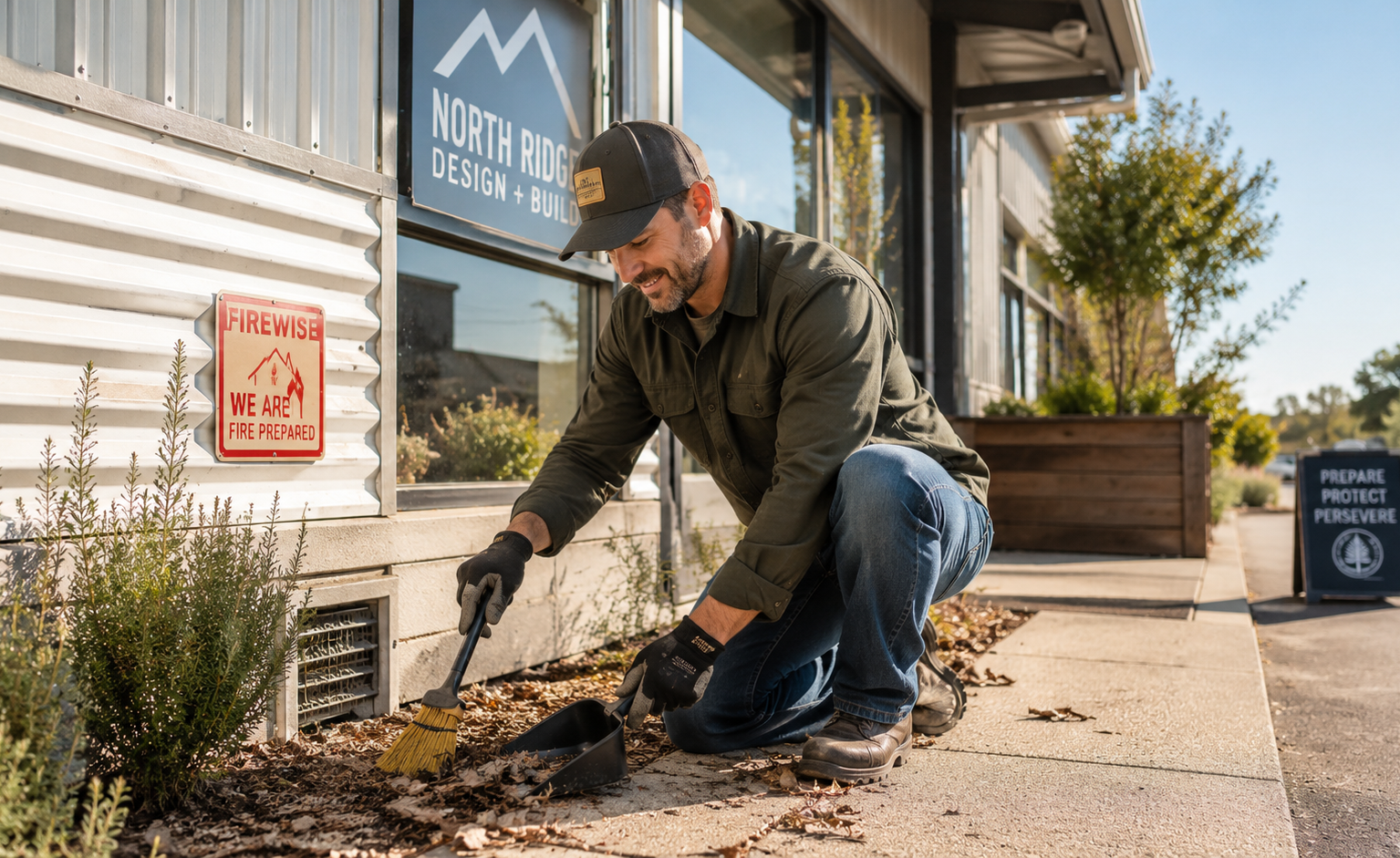
For independent agents, wildfire and fire-related property risks are becoming more common parts of commercial coverage conversations. Even when a business is not located in a traditionally high-risk wildfire area, steps like clearing exterior debris, maintaining safe building materials, and reviewing emergency plans can help reduce exposure and support stronger insurance discussions.
Why Wildfire Risk Matters for Commercial Insurance
Wildfires are no longer rare, seasonal events. For many regions, they’ve become a year-round threat that can disrupt operations, damage property, and put employees at risk.
Small and mid-sized businesses, in particular, face growing exposure as wildfire seasons stretch longer and burn hotter. The good news is that fire-hardening your business doesn’t have to drain your budget. With the right strategy, you can significantly reduce your risk while keeping costs manageable.
How Wildfire Risk Has Changed
The first step is understanding how wildfire risk has changed. Warmer temperatures, drier landscapes, and more frequent wind events have created conditions where fires ignite more easily and spread more quickly.
Even businesses located miles from forested areas can be affected by embers, smoke, and infrastructure failures. Insurers are paying close attention to these trends, and many are adjusting premiums or coverage terms based on local wildfire exposure.
Taking proactive steps to reduce vulnerability can help protect your property and may also make your business more attractive to insurers.
Create Defensible Space Around Your Business
One of the most effective and affordable ways to fire-harden your business is by creating a defensible space around your building. This involves clearing away dry vegetation, trimming trees, and removing debris that could act as fuel.
Simple actions like keeping gutters clean, clearing brush, or moving wood pallets away from exterior walls can make a meaningful difference. Many businesses overlook these basics, but they are among the most cost-effective wildfire risk-reduction measures available.
Make Targeted Fire-Resistant Building Improvements
Upgrading building materials does not have to mean a full, expensive retrofit. Targeted improvements can offer strong protection at a reasonable cost.
Installing ember-resistant vents, replacing worn-out weather stripping, or adding metal mesh screens can help prevent embers from entering your building. If you are already planning maintenance or renovations, choosing fire-resistant materials for roofing, siding, or windows can provide long-term benefits without significantly increasing project costs.
Improve Emergency Readiness for Employees
Another smart investment is improving your on-site emergency readiness. This includes maintaining fire extinguishers, training employees on evacuation procedures, and ensuring that emergency exits and signage are clearly marked.
These steps not only reduce wildfire-related risk, but also strengthen your overall safety posture. Businesses that demonstrate strong preparedness may find it easier to secure insurance coverage and may qualify for better terms.
Use Technology to Monitor Wildfire Conditions
Technology can also play a role in affordable wildfire preparedness. Low-cost air quality sensors, remote-monitoring cameras, and smart thermostats can help you track conditions and respond quickly when wildfire threats arise.
Some businesses use automated alerts to notify staff when smoke levels rise or when nearby fire activity increases. These tools do not replace physical safeguards, but they can improve situational awareness and help you act before a threat escalates.
Work With Your Local Community
Community-level efforts are another powerful way to reduce wildfire exposure without overspending. Participating in local fire-safe councils, supporting neighborhood vegetation-management programs, or coordinating with nearby businesses on shared mitigation projects can amplify your impact.
Wildfire risk is often regional, and collective action can make entire commercial districts safer. Insurers increasingly recognize communities that take wildfire mitigation seriously.
Helpful Wildfire Preparedness Resources
If you are looking for additional guidance on wildfire preparedness, the National Fire Protection Association offers practical resources at https://www.nfpa.org.
You can also explore wildfire-mitigation strategies tailored to small businesses through the U.S. Fire Administration.
Preparing Your Business for a New Fire Risk Environment
The wildfire landscape has changed, but protecting your business does not have to be overwhelming or expensive.
By combining practical maintenance, targeted upgrades, smart technology, and community collaboration, you can significantly reduce your risk. For many businesses, fire-hardening is becoming an increasingly important part of property risk management.
With thoughtful planning, you can safeguard your property, support your employees, and keep your operations resilient in the face of a changing fire-risk environment.