
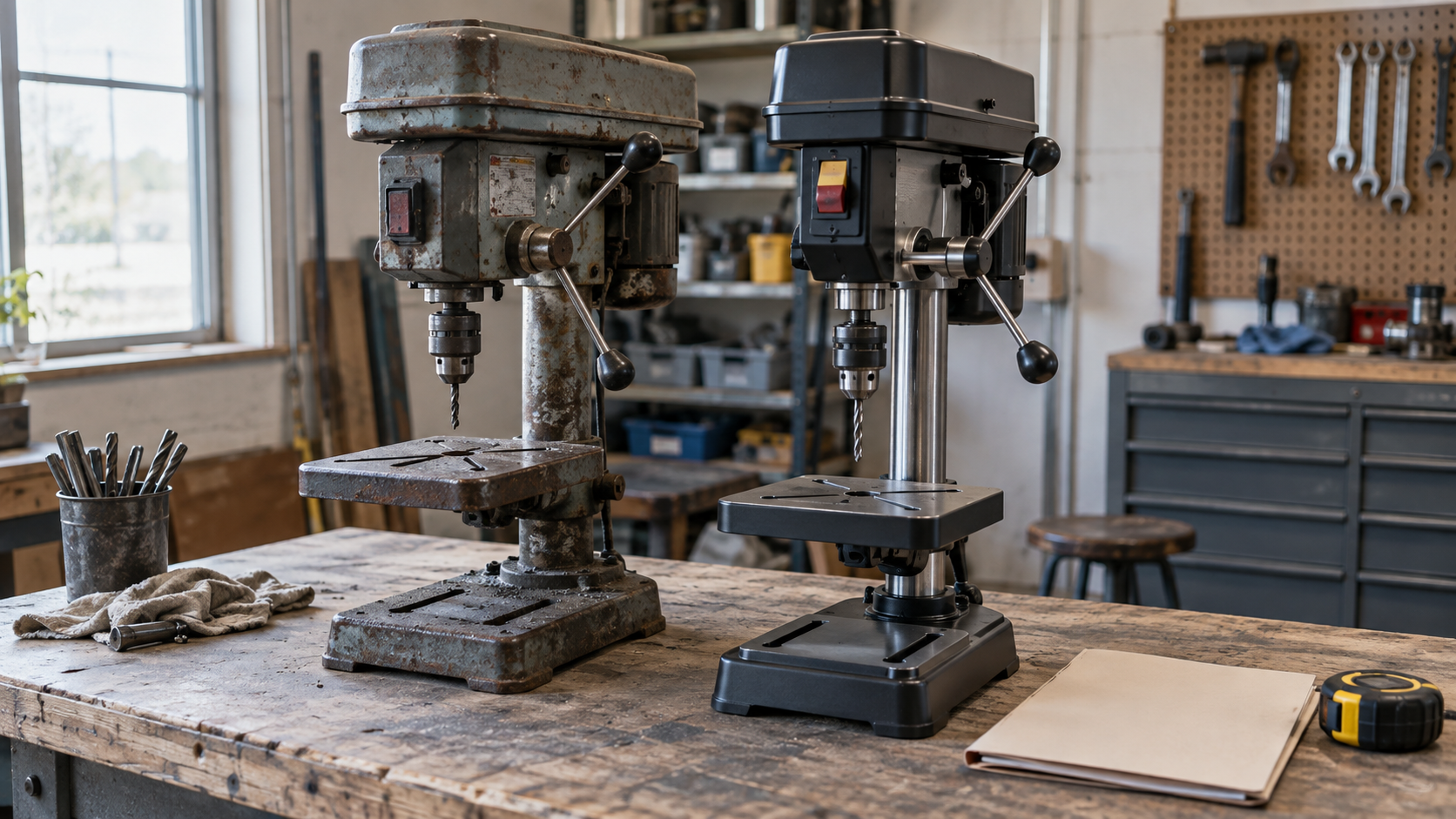
Replacement cost and actual cash value describe how insured property is valued after a covered loss. For a business, that difference can determine how much cash is needed to replace equipment or reopen a damaged location.
Replacement cost generally uses the cost of comparable new property without deducting depreciation. Actual cash value usually reflects depreciation for age and condition. Both remain subject to the policy’s limits, deductible, valuation provisions, and other conditions.
A simple equipment example
Suppose a covered fire destroys a business’s five-year-old machine. A comparable new machine costs $10,000. Assume its actual cash value is $6,000 and the deductible is $1,000.
- Actual cash value: the illustrative payment is $5,000 after the deductible.
- Replacement cost: the illustrative total payment is $9,000 after the deductible, if the replacement conditions are met.
These figures illustrate the valuation difference, not a Grand River claim estimate. Actual payments can be affected by limits, coinsurance, exclusions, and how the policy defines the damaged property.
Replacement cost may involve more than one payment
Some policies initially pay actual cash value and release an additional amount after qualifying repairs or replacement. Ask what evidence is required, how much time you have, and whether payment is limited to the amount actually spent. You may need cash to start the work before receiving the balance.
Also check whether all property uses the same valuation method. Stock, older equipment, roofs, and leased items may be treated differently. The phrase “replacement cost” on one part of a policy does not answer every valuation question.
A building’s sale price is a different number
The cost to rebuild a commercial building is not necessarily its market value, tax assessment, mortgage balance, or original purchase price. Land value and local demand affect a sale price; labor, materials, design, and construction conditions affect rebuilding.
Review major renovations and tenant improvements with your agent. Ask separately about demolition, debris removal, and the extra cost of meeting current building codes. These costs can have their own terms or require additional coverage.
Check limits as well as valuation
A replacement cost provision does not create unlimited coverage. If the property limit is too low, you can still face a shortfall. A coinsurance provision may also reduce payment when the amount insured falls below the required proportion of the property’s value, even after a partial loss.
Keep an equipment and stock inventory with receipts, photographs, model numbers, and current replacement estimates. Label estimates as estimates and update values when you add equipment or carry more inventory.
Questions for your Grand River agent
- Which valuation method applies to the building, contents, and equipment?
- What conditions must be met to collect replacement cost?
- Are any items subject to a separate limit or valuation endorsement?
- Does coinsurance apply, and are the current values adequate?
Property coverage is available within Grand River’s Commercial Package. Work with an independent agent to review the options and the policy wording before you need to make a claim.